Humble beetroot Benefits
One of the cheapest vegetables around, and still one of the most underestimated.
Being Ukrainian, it is not surprising that I have a soft spot for beetroot. After all, borscht is practically in our bloodstream. I have even suggested before that there should absolutely be such a thing as a borscht-inspired chilli con carne.
Being a wine person (WSET Diploma after all), I have also heard beetroot recommended from a completely different angle. If you taste too much wine, have long workdays, and your blood pressure starts giving you attitude, people will inevitably tell you to drink beet juice for better blood flow.
So I thought it would be a good time to give beetroot its due: where it comes from, what it actually offers nutritionally, what science does and does not support, and then finish with a simple beet tostada recipe (where I bring a Mexican iconic dish like tostada to beetroot as a main ingredient and to Mediterranean veggies and dressing) that I recently made and genuinely enjoyed.
Because beetroot deserves better than being reduced to “that purple thing in a salad bar.”
Where does beetroot come from?
Beetroot comes from Beta vulgaris, a plant originally native to the Atlantic and Mediterranean coasts of Europe. It has been cultivated for a very long time, with archaeological evidence pointing to cultivation from at least the 1st century CE. Interestingly, the leaves were eaten first; the swollen root became established as food later on.
That makes beetroot one of those old-world ingredients that feels both rustic and timeless. It belongs equally well in peasant food, grandmothers’ cooking, and modern restaurant plating. And it was a surprise for me that beet is uniquely Mediterranean. Tostada and avocado make it Mexi-terranean. 🙂
Raw or cooked beetroot?
Both work, just differently. Let’s see how.
Raw beetroot is firmer, fresher, more vegetal, and a little more aggressive in flavour. It brings crunch, brightness, and that earthy side of beetroot that some people adore and others need to be gently introduced to.
Cooked beetroot is sweeter, softer, more rounded, and easier to use in salads, purées, soups, cakes, and composed dishes. It also becomes much more versatile from a culinary point of view. USDA guidance notes that beets can be enjoyed raw, roasted, or boiled, while extension guidance also notes that cooking tends to reduce some available nitrate content, so raw or lightly steamed beetroot may preserve more of that particular benefit.
My own view: raw beet is great when you want freshness and bite (and in detox juices); cooked beet is better when you want comfort, sweetness, and easier flavour balance (roasted is best, but boiled will do if you don’t have an oven).
Nutrition of 100g cooked beetroot
Cooked beetroot is not some magical superfood from a global wellness cult, but it is a genuinely useful ingredient.
Beetroot benefits: a 100g serving of cooked beetroot provides roughly 44 calories, around 10g carbohydrates, about 1.7g protein, very little fat, and about 2g fibre. It also contributes potassium, and beetroot is generally recognised as a good source of folate (which diminishes rapidly if you drink as much wine as I do).
So nutritionally, beetroot sits in a nice place: affordable, low in calories, colourful, satisfying, and helpful for adding fibre and micronutrients to a meal without making it heavy.
What is beetroot actually proven to help with?
This is where beetroot benefits get interesting for me and some of you too.
The strongest evidence is around its dietary nitrates. In the body, these can contribute to nitric oxide production, which helps blood vessels relax and widen. Research suggests beetroot juice may help lower systolic blood pressure in some people, and some studies also suggest benefits for blood flow and exercise tolerance. And it definitely helps me with this.
So yes, beetroot can be a smart ingredient to include in a healthy diet. Life would be easier if one beet solved all our problems.
Some of the world’s best-known beetroot dishes
Beetroot has travelled very well.
The obvious classic is borscht, the beet soup of Ukraine, served hot or cold depending on region and season. Then there are all the elegant European beet salads and beet carpaccio situations, where beetroot gets dressed up and pretends it has always belonged at a wine bar. In South India, beetroot poriyal turns it into a spiced coconut-flecked side dish, which I am yet to cook, sadly. And yes, beetroot also makes its way into chocolate cake, where it brings moisture, sweetness, and depth rather than obvious beet flavour.
I can confirm the cake angle personally. Back when I ran my plant-based restaurant and natural wine bar, Living Vino, we made a vegan chocolate beetroot cake, and it was delicious.
I feel like beetroot has got a secret talent: it can be earthy, bright, sweet, savoury, rustic, or elegant depending on what you do with it.
Why beetroot works so well in a tostada
So I’m using tostada as a vessel (see more about preparing tostadas here), a crispy corn tortilla that adds crunch and joy to the whole dish. Mexican element is then topped with the beet tartare that incorporates both Mexican (jalapenos and avocado) and Mediterranean (capers, onion, other veggies) ingredients. And this tostada really works because beetroot loves contrast. Beetroot loves my Mexi-terranean concept.
You have earthy sweetness from the cooked beet, sharpness from pickle and capers, heat from jalapeño, creaminess from avocado, bite from onion, freshness from coriander, and acidity from sherry vinegar. Put all of that on a crisp corn tortilla, and suddenly humble beetroot starts behaving as it belongs at a very decent lunch with a glass of something cold (I’m thinking Spanish dry rosé wine).
It is simple, but not boring. Which is exactly my point.

Beet Tostada Recipe
Ingredients
For 1 tostada:
- 1 stale corn tortilla, crisped up for your tostada base
- 2 medium cooked beets
- 1 cucumber pickle
- 1 tsp capers
- 2 slices jalapeño
- 1/4 avocado
- 1/4 small white onion
- 1 tsp chopped coriander
Optional, if you want it more salad-like:
- 2 cherry tomatoes
- 1/2 small cucumber
For the dressing:
- 1 tsp sherry vinegar
- 2 tsp good-quality olive oil
- salt
- black pepper
Method
It is extremely easy. Fry your stale corn tortilla until fairly crispy and let it cool down.
Cut all the ingredients into a medium dice to form a tartare mix. Mix the dressing separately, then pour it over the beet mixture and toss gently.
Pile everything onto your crisp corn tortilla and eat immediately.
That is it.
No overthinking. No twelve-step garnish protocol. Just good ingredients doing their job.

Optional additions
If you have leftover tuna from tuna tostadas I’ve shared earlier, a slice of marinated tuna on top works very well here too.
And if you do not have a corn tortilla handy, just make it as a salad. It still works beautifully.

Final thought on beetroot benefits
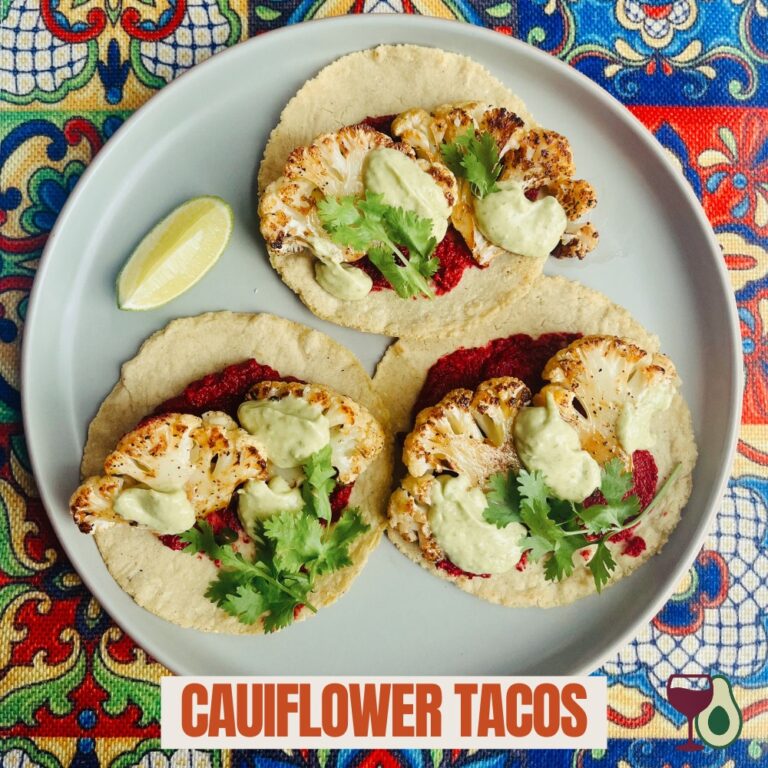
Beetroot is cheap, nutritious, useful, colourful, and far more versatile than many people give it credit for. It belongs in soups, cakes, salads, pickles, and yes, on Mexican tostadas too. Also check out my cauliflower tacos with beetroot-walnut dip here. Beet is a very humble vegetable, with a suspiciously good range. Fancy making my beetroot tostada today?
P.S. For my tortilla guidance – head to my helpful post here.
[Taco Craft | Salsa Magic | Proper Tortillas]
Here are my most used and loved tools and ingredients for joyful Mexican cooking:
Masa harina for tortillas: Masienda, Bob’s Red Mill, Maseca
Chillies: Chipotle, Ancho, Guajillo, Tajin
Tools: Tortilla Press, Ninja blender, Global knives.

By Dito
Restaurateur. Wine Expert & Educator (dipWSET). Flexitarian Chef. Senior Marketer. Entrepreneur.
Learn more about Dito